

Fueling Your Best Self: A Guide to Healthy Eating
Fueling Your Best Self: A Guide to Healthy Eating
If only all the healthy eating truths and diet plans were crystal clear! It would not be the case though as we live in a world where we are bombarded with contradictory dieting advice, fad diets, and ever-increasing food related information. Everything we eat is constantly either the villain or the hero in the nutritional tales: cut carbs, go vegan, eat dark chocolate, coconut water, acai berries, chia seeds… What does “healthy eating” mean anyhow? Simply put, healthy eating is not about listing the things you are not allowed to eat or setting harsh regulations. It is a path to revitalize your body and uplift your health and happiness. You will end up with a way that is more manageable and more logical and will not turn you down but make you live your best life.
This is the complete guideline for wholesome eating that a blog post can be. We will provide you only that which you need to know, supported with science, to lead you to a better lifestyle, one meal at a time.
The Fundamentals of a Balanced Diet: More Than Just Calories
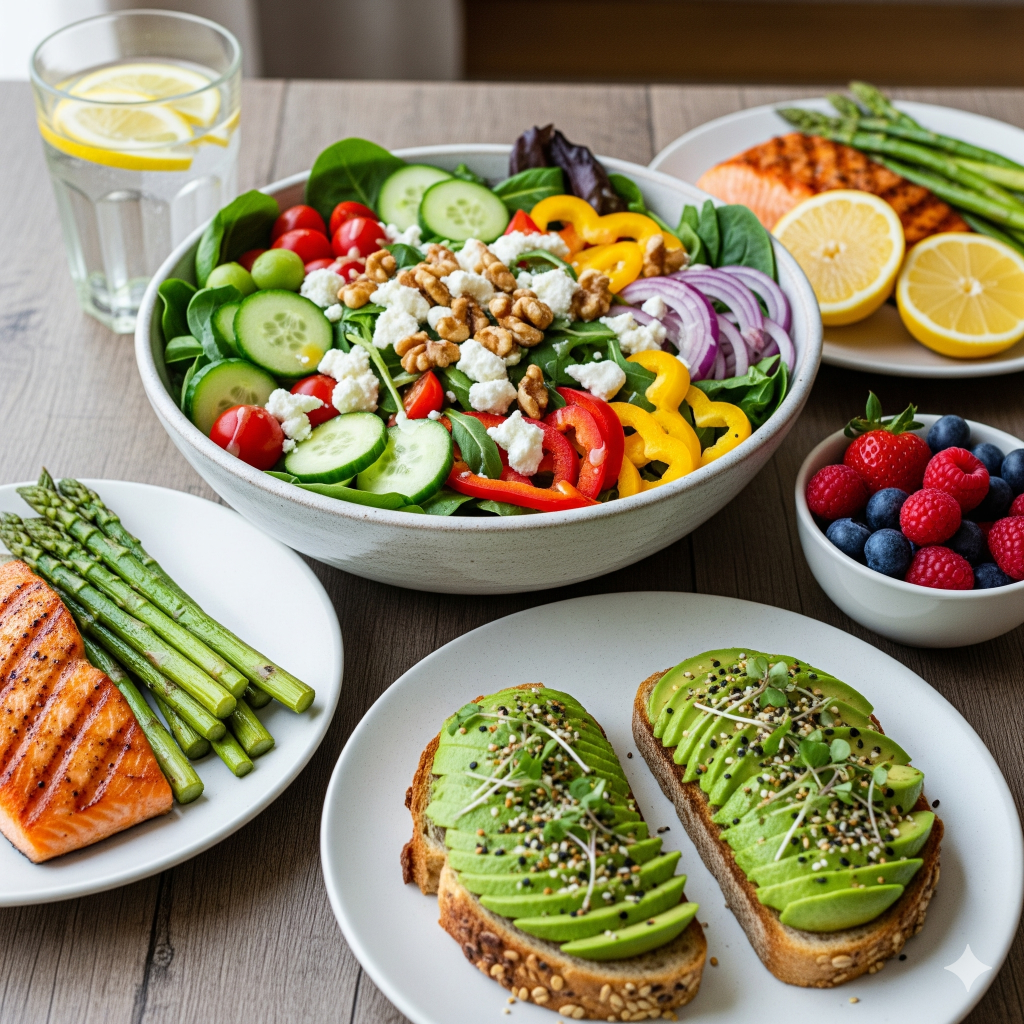
Healthy eating often triggers the thought of calorie counting in our heads. Calorie balance is one piece of the puzzle, the whole is a healthy diet. The basics is the quality and variety of the nutrients you consume. Balanced diets should consist of these macronutrients and micronutrients in the appropriate amounts and types:
Protein: Your body is made up mostly of protein. Protein is a must for the parts and processes in your body that are energy, hormones, lining of the body and fighting of diseases. Sources of protein are lean meats, fish, eggs, dairy, legumes, and nuts.
Carbohydrates: The major supplier of energy to the body. Eat cereals with an emphasis on unrefined, whole grains, vegetables, and fruits. Firstly, they give you constant energy during a day, and are rich in fiber, which is essential for your digestion and feeling of satiety.
Good Fat: Don’t be scared of fat! Good fats are necessary for brain function, hormone regulation, and absorption of nutrients. Add the likes of avocados, almond nuts, sunflower seeds, and olive oil to your regimen.
Fiber: Provided by vegetables and grains, it is indispensable for digestive healthy eating guide and assists in blood sugar regulation and lowering of cholesterol.
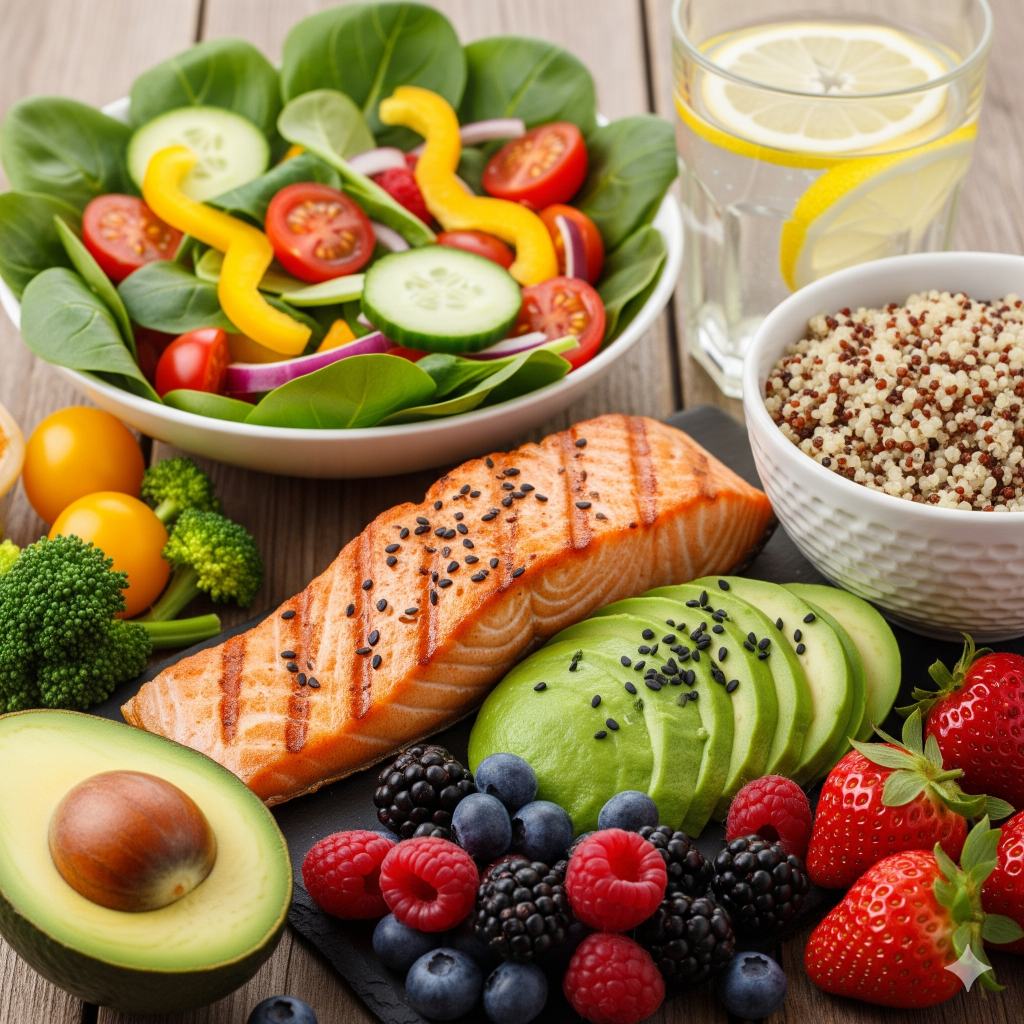
Vitamins and Minerals: The minor nutrients that do the heavy work in your body, from bones (calcium and vitamin D) to immunity (vitamin C and zinc). Eating a rainbow of fruits and vegetables is the best way to incorporate the broadest possible range of these essential nutrients into your diet.
Making a Change: Practical Tips for a Healthier You
It can feel overwhelming to start a path to healthy eating guide, but doing it in a day is not necessary. Small changes, if made regularly, can have a big impact in a long time. The following are some practical tips for you to get moving:
1. Food Labels Are Your Friend: Get into the role of a detective in the supermarket! Alongside learning how to interpret food labels, you will become more knowledgeable of what you take. Watch out for sugar content, saturated fats, and the length of the ingredient list. The shorter and the more the ingredients are of the type you know, the better.
2. Whole Foods First: The easiest way to decide is to consume foods that are close to their normal condition as much as possible. For example, a whole apple is better than apple juice, and brown rice is better than white bread. Typically whole foods are less processed and have more of their natural vitamins.
3. H2O, H2O, H2O: One of the things which are often left out of the equation, is water, however, it is one of the cornerstones of the healthy lifestyle. The proper water intake supports digestion, makes the nutrient flow, and, what is more, water can work as an appetite controller without you even noticing. Make it your target to drink water during the day and maybe you will find it easier if you infuse water with fruits or herbs for a true flavor.
4. Meal Plans are the Way: Having a small preparatory step can prevent you from eating on impulse and of which food you may regret later. Take time out of one day in each week and plan your meals and snacks. Doing this will not only save your time and nerves but it will also ensure that you have healthy options within your reach all the time.
5. Positive Approach As Opposed To Negative: By simply concentrating on the things you can add to your diet rather than what you should be taking away. When dinner time comes, try to come up with a way of incorporating a vegetable portion for the meal or add some berries to your breakfast. This positive perspective in the process makes the whole endeavor more rousing and less like a burden.
6. Cook More at Home: The biggest advantage of preparing your own meals is that you get total control over the ingredients. Make sure that you don’t consume too much salt, sugar, and unhealthy fats that are part of the restaurant or pre-packaged meals. Begin with simple, easy-to-master recipes and work really quick to gain your confidence in the kitchen.
The Connection Between Food and Well-being
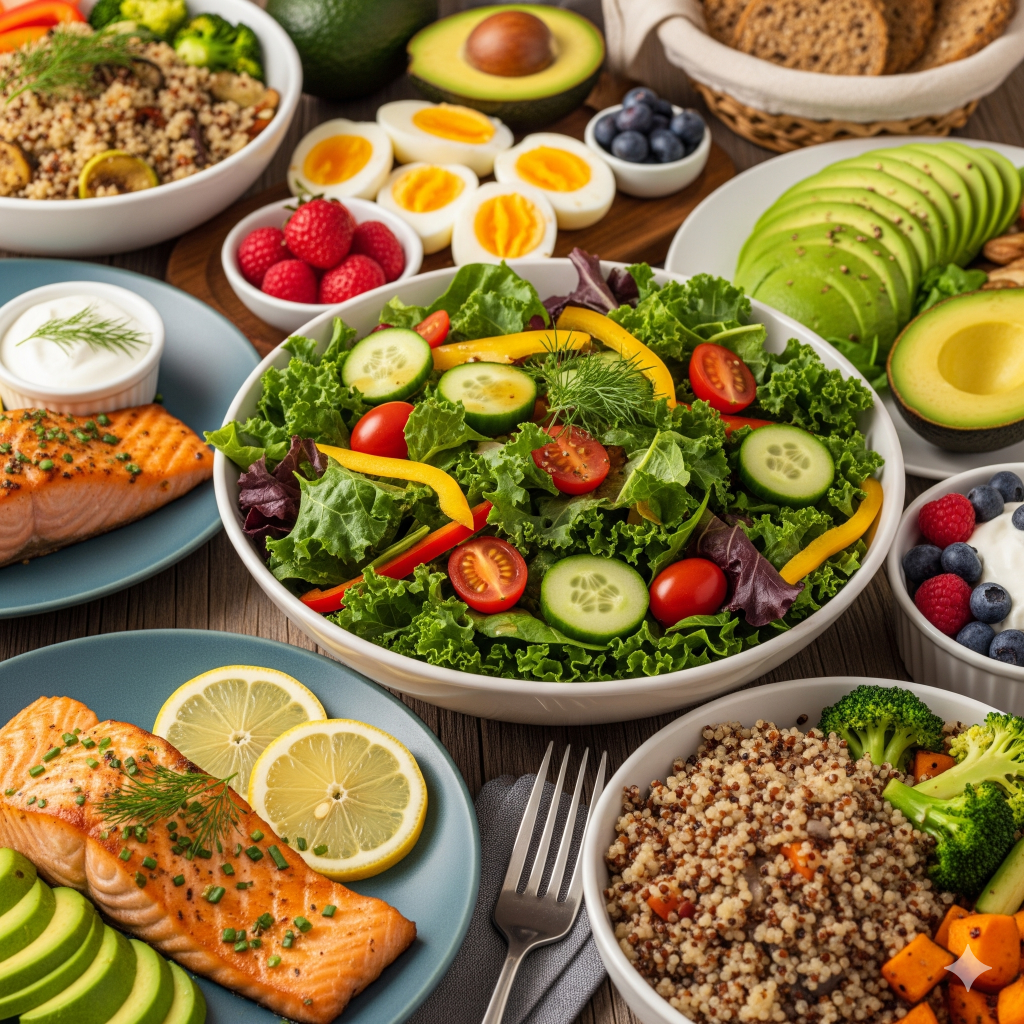
The aspect of healthy eating is not about the physical body of a person only. Such nutrition has a massive positive effect on one’s mental and emotional sphere. What we eat has a huge influence on our mood, activity, and even intellectual abilities. Nutritious foods that are high in omega-3 fatty acids, complex carbs, and lean proteins have been proven to keep the brain healthy and decrease the risk of depression. So, when you eat healthy, you’re going to feel more energized, focused, and in a better mood.
Beyond the Plate: A Holistic Approach
Don’t forget, that healthy eating is just a piece of the wellness puzzle. A truly nourishing diet must be combined with other healthy habits and that will absolutely fill you up with your best self, such as:
Regular Physical Activity: Exercising your body acts as a perfect complement to a healthy eating guide diet since it promotes the overall circulation of blood in the body, makes you happy and strengthens the body.
Adequate Sleep: Sleep is the time when the body is being refreshed and tissue repairs take place. The lack of sleep can cause hormonal imbalances that might make you feel hungrier and thus keeping your diet in check will become harder.
Stress Management: Chronic stress may become a factor that leads to unhealthy eating habits. Find the most efficient ways to relax, whether you are into mindfulness, meditation, or just hanging out in the nature.
Following a good eating guide is far from perfection but it doesn’t mean that you shouldn’t be one at all. It is about being mindful, making rational choices, and cultivating a healthy relationship with food through the process. It’s a journey of discovery and self-care that will empower you to live a healthier, happier, and more vibrant life.
Top 4 FAQs Related food
Q: What are “superfoods” and are they really necessary?
A: Superfoods are a marketing term for foods that are exceptionally nutrient-dense. While a handful of berries or a serving of kale are certainly good for you, no single food can magically transform your health. Focus on a balanced diet rich in a variety of fruits, vegetables, whole grains, and lean proteins rather than relying on a few specific “superfoods.”
Q: How do I deal with cravings for unhealthy food?
A: Cravings are a natural part of life. Instead of fighting them, try to understand them. Are you hungry, stressed, or bored? If you’re genuinely craving something, try a healthier alternative or have a small, mindful portion of the food you desire. The key is moderation and not letting a single craving derail your progress.
Q: Is it okay to have “cheat days”?
A: The concept of a “cheat day” can be problematic as it implies a moral failure. A better approach is to practice mindful moderation. It’s perfectly okay to enjoy a slice of cake at a birthday party or have a favorite meal with friends. The goal is to build a lifestyle where healthy eating is the norm, and these indulgences are a small, enjoyable part of the journey.
Q: How can I make healthy eating more affordable?
A: Healthy eating doesn’t have to break the bank. Buying seasonal produce, cooking from scratch, and planning your meals to use ingredients efficiently can significantly cut costs. Look for affordable protein sources like beans, lentils, and eggs, and buy staples like whole grains in bulk.